The long way
around.
Vida Cafe sits on a curve of the McKenzie Highway where the trees get taller, the road gets quieter, and the dining room still has the same four booths it had before any of us were born. This is how a small roadside cafe ended up being the reason some people drive two hours out of their way.
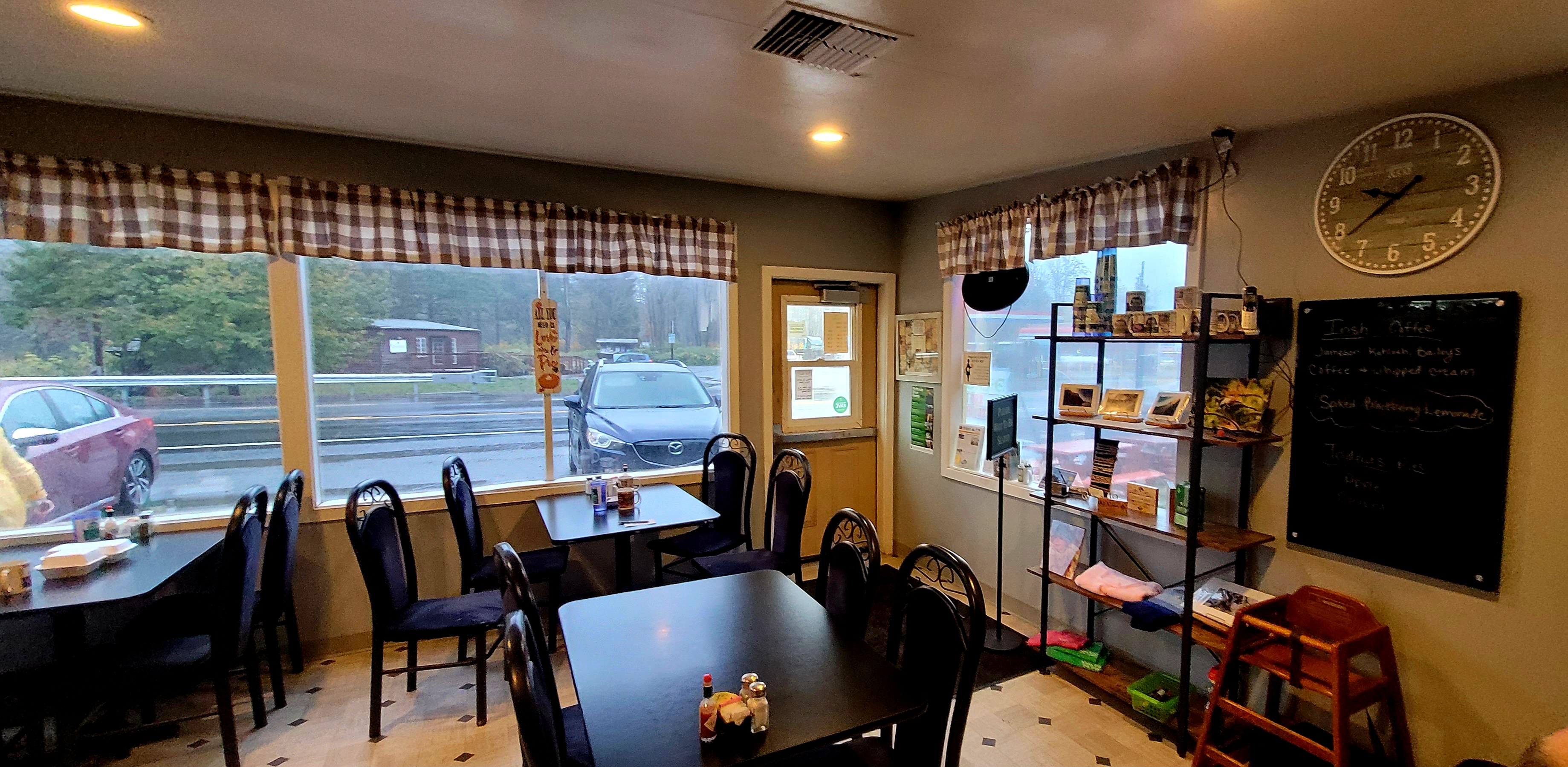
A cafe on a river road.
The McKenzie River has always been a place people come to slow down. Loggers, fishermen, and families on their way up to the pass — for a hundred years they have all taken the same long curve through Vida, Oregon, and pulled over for coffee at this exact spot.
Vida Cafe opened in 1984, in a building that had already been a store, a post office annex, and a gas station counter over the previous forty years. The kitchen was small. The griddle was small. The pie case was the size of a shoebox. But the menu was the menu — chicken fried steak, pancakes, biscuits and gravy, and a slice of pie if you got there before the fishermen did.
When we took over in 2016, we did what everyone said not to do: nothing. The pies we kept. The gravy recipe we kept. The four booths — we kept those too, though we had to reupholster them once. What we changed was invisible: better flour, real butter, eggs from a farm two miles away, and coffee from a roaster in Eugene who still calls us by our first name.
We are not trying to reinvent the diner. We are trying to do it right. That is a smaller ambition than it sounds, and it takes more work than you would think.
Scratch, or nothing.
The chicken fried steak is a good example. Most roadside cafes use a pre-breaded patty from a food service distributor. It comes in a box, frozen, in rows of six. It cooks fast, it tastes the same every time, and it costs about a dollar ninety. We tried it once. Kelly refused to put it on the menu.
So every Tuesday and Friday, we cube and pound our own round steak by hand. It gets a buttermilk soak, a double dredge in seasoned flour, and a hard sear on the same cast-iron griddle that came with the building. It takes four times as long. It costs four times as much. It is why people tell their friends to stop here on the way to Bend.
The pies are the same story. Kelly bakes them from scratch, most mornings, in a kitchen that was not designed for pie production. The crust is butter and lard, cut cold, rolled twice, and baked until it cracks under a fork. The marionberries are Oregon-grown, and when they are in season, they are picked within a day of hitting the filling. When they are not in season, we do not make marionberry pie. We do not fake it.
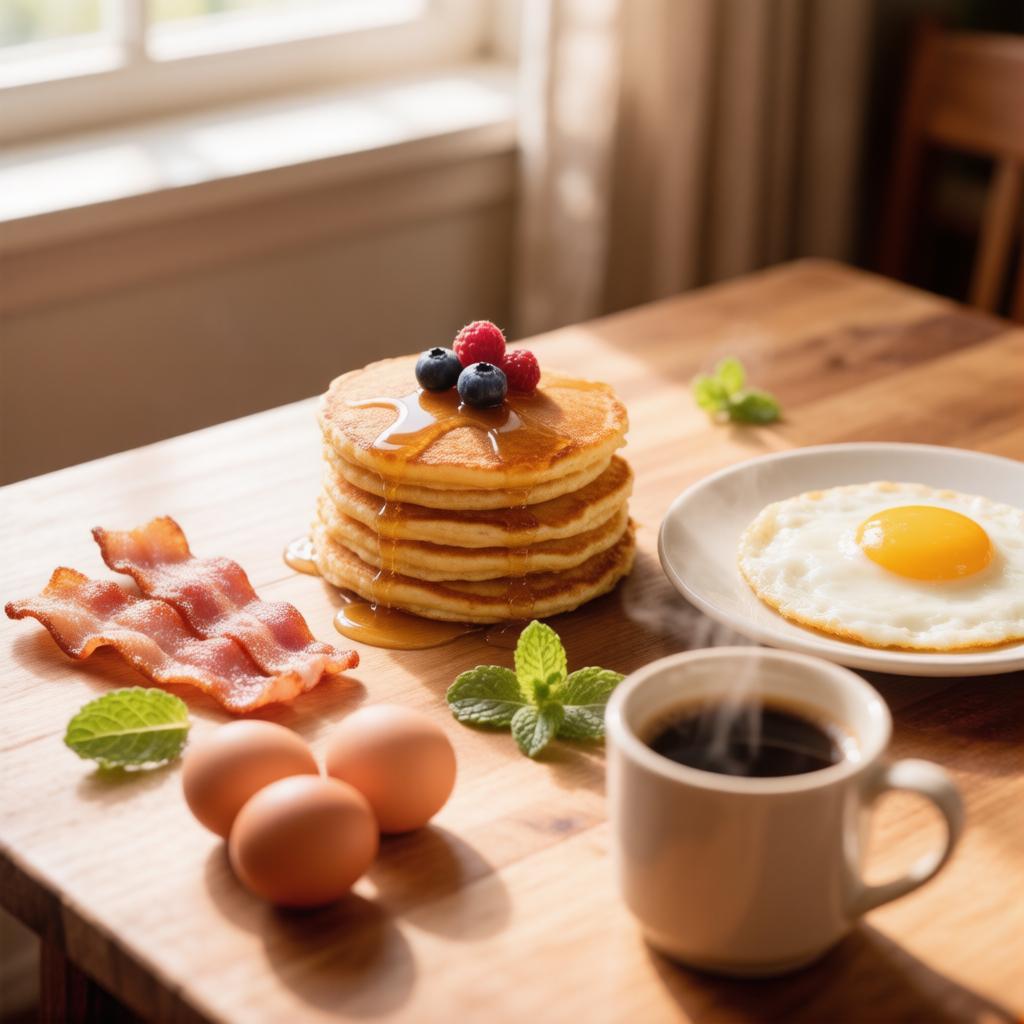
The pancakes are buttermilk, the sausage is made by a butcher in Springfield, and the coffee is a medium-dark roast from a shop on Willamette Street. The menu has thirty-two items and every one of them is made here. That is the whole promise. Not fancy. Just real.
The people who keep it running.
Kelly
Kelly runs the pie case and the front of the house. She has been baking since she was nine, worked pastry in Portland for a decade, and came back to the valley to be closer to her parents. If you have ever had a slice of marionberry pie at Vida Cafe, you have met her work. She is the one who will remember your name on the second visit and your order on the third.
Marcus
Marcus runs the griddle. He came up through breakfast kitchens in Eugene and brings a kind of quiet intensity to a short-order station that is hard to describe unless you have watched him work a full dining room on a Sunday morning. The chicken fried steak is his. So is the gravy, which he will not tell you the recipe for, but it starts with a roux and ends with black pepper.
The regulars
Half the room on any given morning is people who live within twenty minutes of the cafe. They order the same thing every time, they sit in the same booth, and they will tell you exactly which pie to get. The other half is travelers — fishermen, cyclists, families on the way to the pass. The two halves mix more than you would expect. That is what a roadside cafe is for.
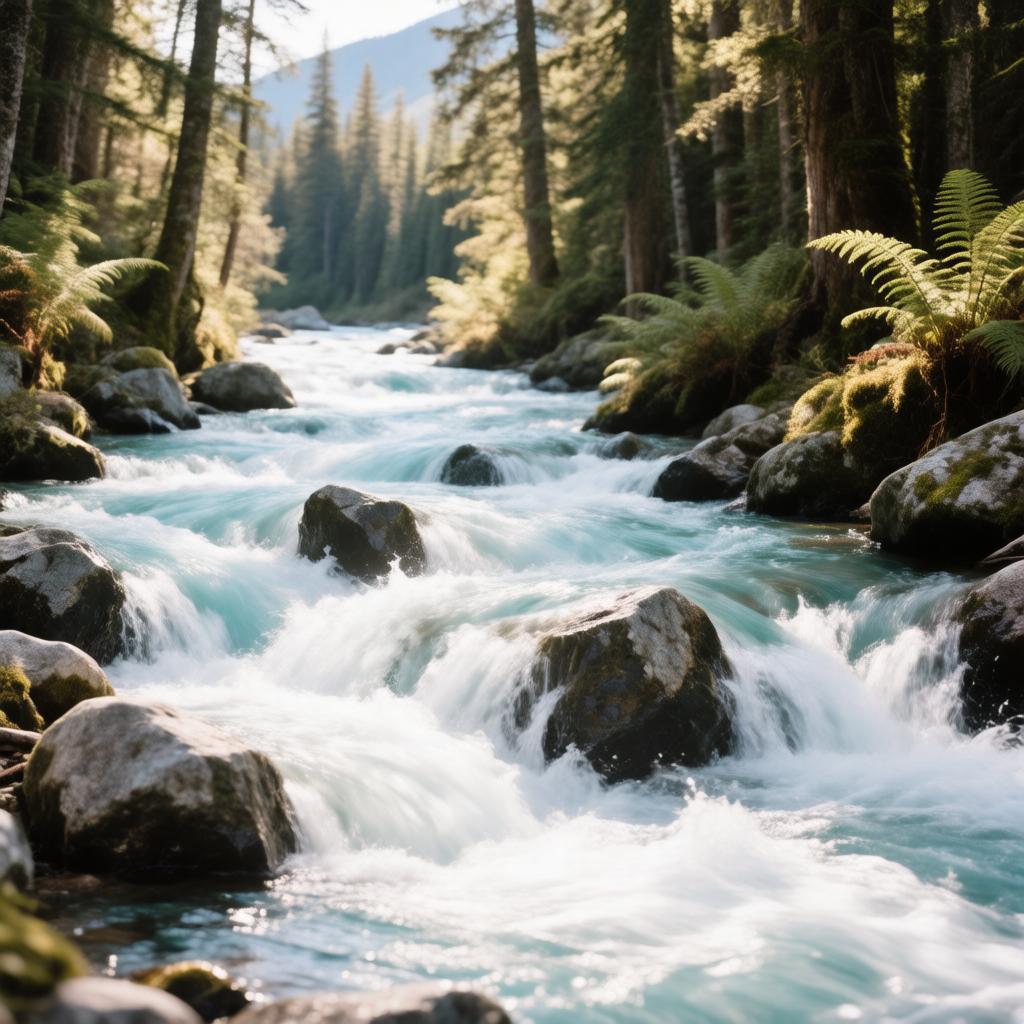
The river runs through it.
Vida is a town of about a hundred and fifty people, and the McKenzie is the reason it exists. The river is where the fish are, where the kids swim in August, and where every road in town eventually leads. It floods every few years, and every few years the town rebuilds. That is the rhythm here.
We are proud to be a small part of it. When the highway is closed for a downed tree and the power is out at the cafe, we open anyway — we have a gas griddle and a generator, and people need coffee. When the high school football team wins a playoff game, they come in for pancakes the next morning and we do not charge for the whipped cream. When someone in town loses a family member, we bring pie to the service. That is not a marketing strategy. That is what a cafe is for.
If you are reading this from somewhere far away and thinking about making the drive — do it. Take Highway 126 east from Eugene, watch the trees get taller, and pull over when you see the sign. Order the chicken fried steak. Ask about the pie. Sit in a booth for a while. We will keep the coffee on.
Four things we won't compromise.
Scratch cooking
Every item on the menu is made in our kitchen from whole ingredients. No pre-breaded patties, no bagged gravies, no shortcuts on the pies.
Local sourcing
Eggs from a farm two miles up the road. Beef from a ranch in Springfield. Marionberries from the valley. Coffee from Eugene. We know our suppliers by name.
Fair prices
We charge what the food costs plus what it takes to keep the lights on. Not a penny more. Generous portions, and we do not upcharge for the basics.
Open to everyone
Loggers and lawyers sit at the same counter. Kids are welcome. Dogs are welcome on the patio. Nobody gets turned away for how they show up.